Comprehensive Pulmonology & Respiratory Care

Tuberculosis is an infectious disease caused by Mycobacterium tuberculosis that primarily affects the lungs. It is spread from person to person through the air when infected individuals cough, sneeze, or spit.
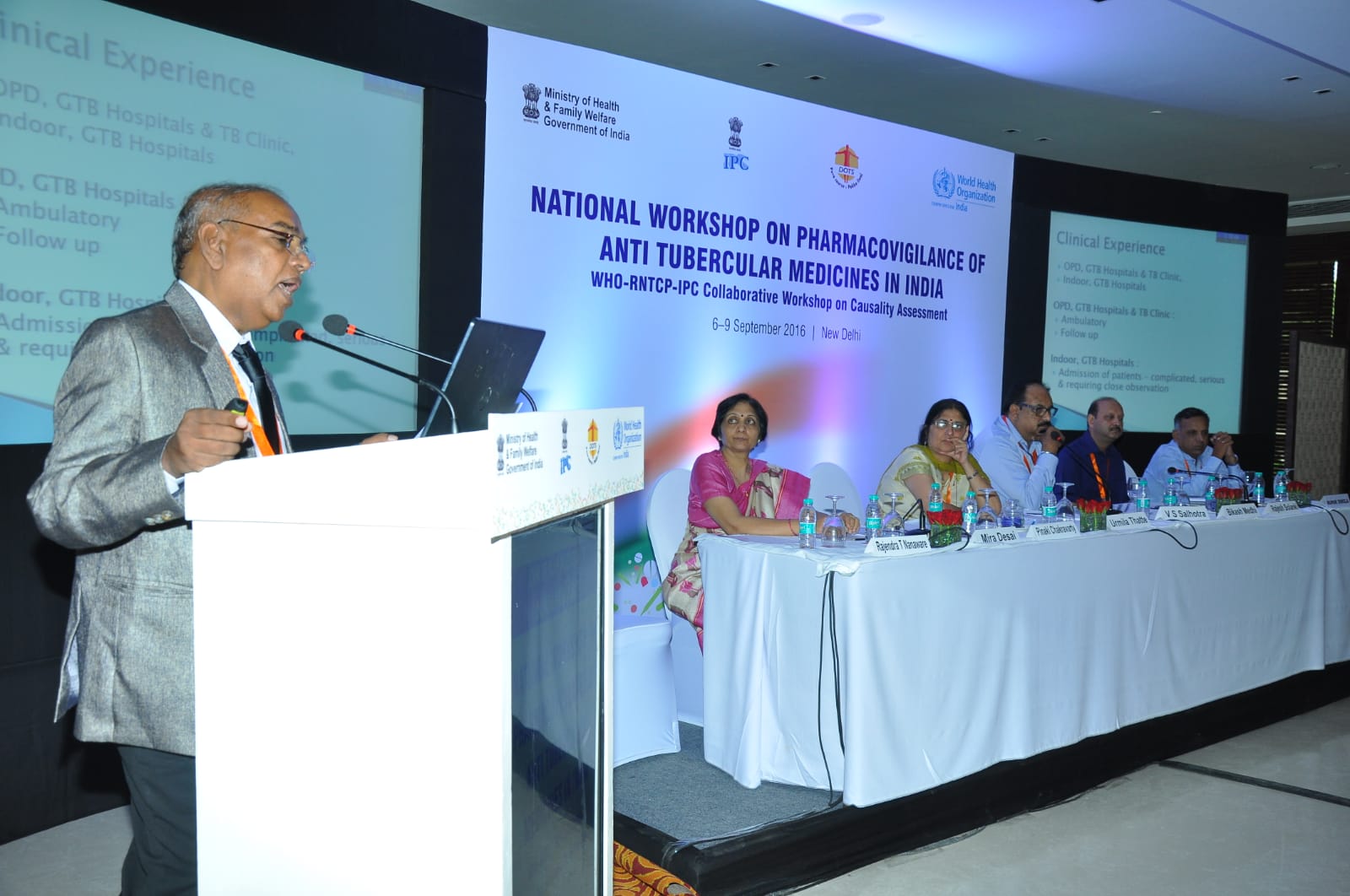
Approximately one-quarter of the global population carries TB infection. People with compromised immunity — including those with HIV, malnutrition, or diabetes — face elevated risk. Dr. Nanavare has over 35 years of specialized experience in TB management.
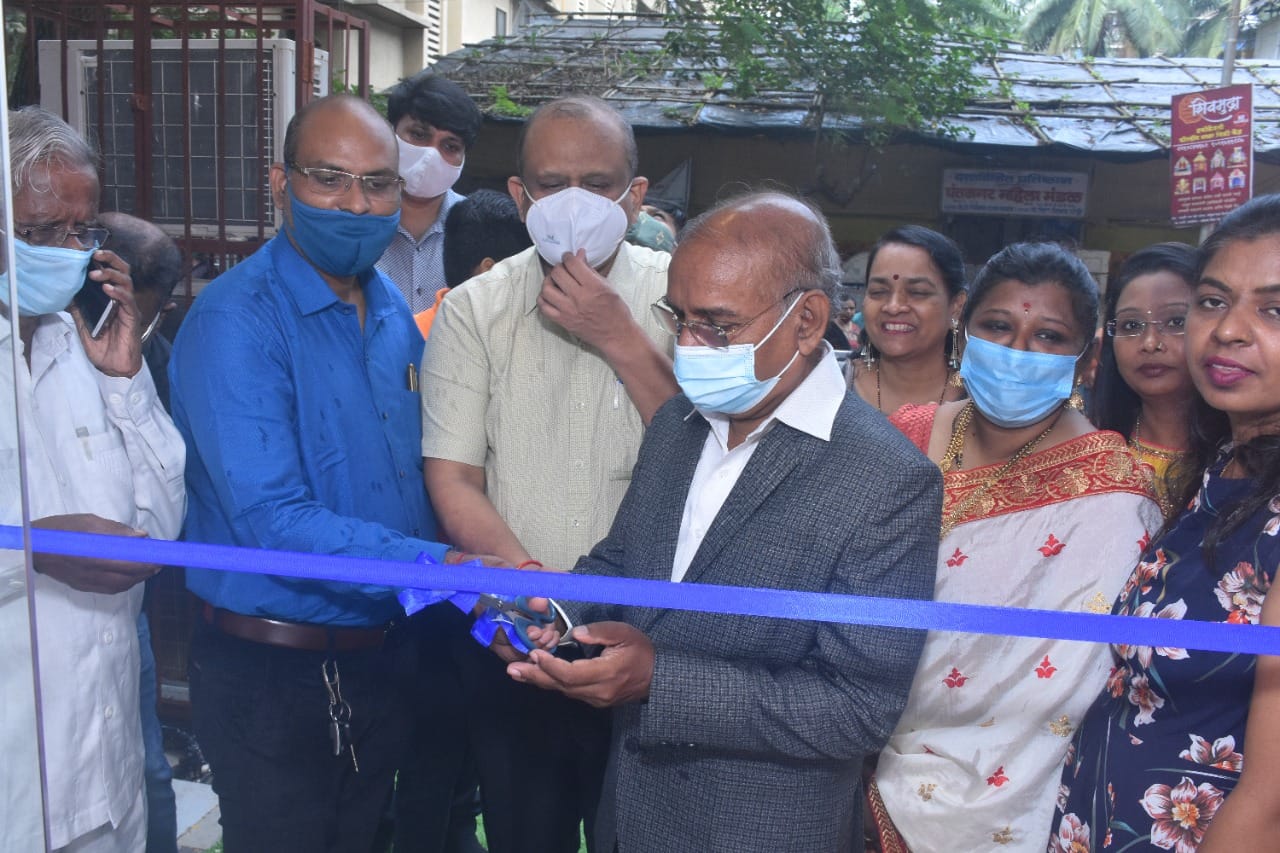
Coronavirus disease (COVID-19) is an infectious disease caused by the SARS-CoV-2 virus. Most patients experience mild to moderate respiratory symptoms, but some — especially the elderly and those with underlying conditions — require specialized medical intervention.
Dr. Nanavare served as a frontline Corona Warrior, conducting live interviews on Doordarshan about COVID-19 precautions and publishing 8 case studies on COVID-19 in peer-reviewed journals.
Diabetes is a chronic metabolic disease characterized by elevated blood glucose levels, which over time leads to serious damage to the heart, blood vessels, eyes, kidneys, and nerves. Approximately 422 million people worldwide live with diabetes.
Dr. Nanavare specializes in the critical intersection of diabetes and tuberculosis — the twin epidemics — with published research and CME lectures on managing these co-morbidities.

Asthma is a long-term condition where the air passages in the lungs become narrow due to inflammation and tightening. It manifests through coughing, wheezing, breathlessness, and chest tightness, often worsening during nighttime or physical activity.
Common triggers include viral infections, dust, smoke, fumes, weather changes, pollen, animal dander, and strong fragrances. Untreated asthma can result in sleep disturbance, daytime fatigue, and in severe cases, can be life-threatening.
COPD (Chronic Obstructive Pulmonary Disease) is a common, preventable, and treatable chronic lung disease. It involves airway narrowing through destruction of lung tissue (emphysema), mucus blockage, and inflammation of airway linings (chronic bronchitis).
The condition develops gradually due to smoking, secondhand smoke, occupational dust and fume exposure, indoor pollution, and childhood respiratory complications.
Respiratory system diseases affect the lungs and other parts of the respiratory system — including the trachea, bronchi, bronchioles, alveoli, pleurae, and respiratory muscles. Causes include infections, tobacco smoking, secondhand smoke, radon, asbestos, and air pollution.
The spectrum ranges from mild conditions like common cold to severe, potentially life-threatening conditions including pneumonia, pulmonary embolism, lung cancer, and pulmonary fibrosis.